
child-abuse
How American Hero Narratives Keep Us From Solving Social Crises — or Healing
We insist on “rescuer” narratives at the expense of developing agency for our children and ourselves
child-abuse
We insist on “rescuer” narratives at the expense of developing agency for our children and ourselves

child-abuse
How emphasizing “stranger danger” hamstrung a generation’s understanding of threats to child safety

child-abuse
Learning to fit in and not make waves might have been considered a form of “practice” for adult womanhood. We paper over our needs, preferences, and sense of autonomy when we learn they’re antithetical to our survival.

child-abuse
Knowing what it looks, sounds, acts, and feels like before it becomes criminal can help us heal — and know what to look for. Our future may depend on it.

community
At a time when I feel less fearful of healthy confrontation, others seem to fear it from me — a sign of a deeply dysfunctional society
community
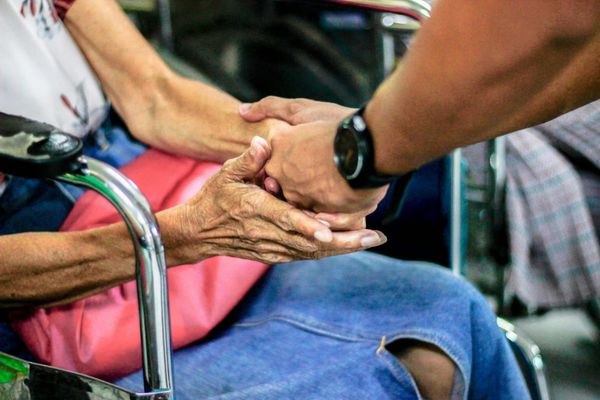
Receiving assistance shouldn’t stand on the back of your submission to authority

community
When resources are scarce and getting scarcer, ‘help’ can be conflated with ‘power' — and people need community, not rescuers
community
Because the risk of not trusting is greater than the risk of trusting the wrong people

community
Why should I ask? Why should anyone answer? I am coming to this first post still recovering from a pretty bad trigger. My son spoke to me in a way that called to mind many less fortunate interactions with men over the years. I felt criticized and judged as less
adhd
So that you will trust them and provide plausible deniability when they’re found out

adhd
How my survival response to rejection pitted me against other women
adhd
Or, how intersectional feminism is crucial to child protection